Negative Format Guide
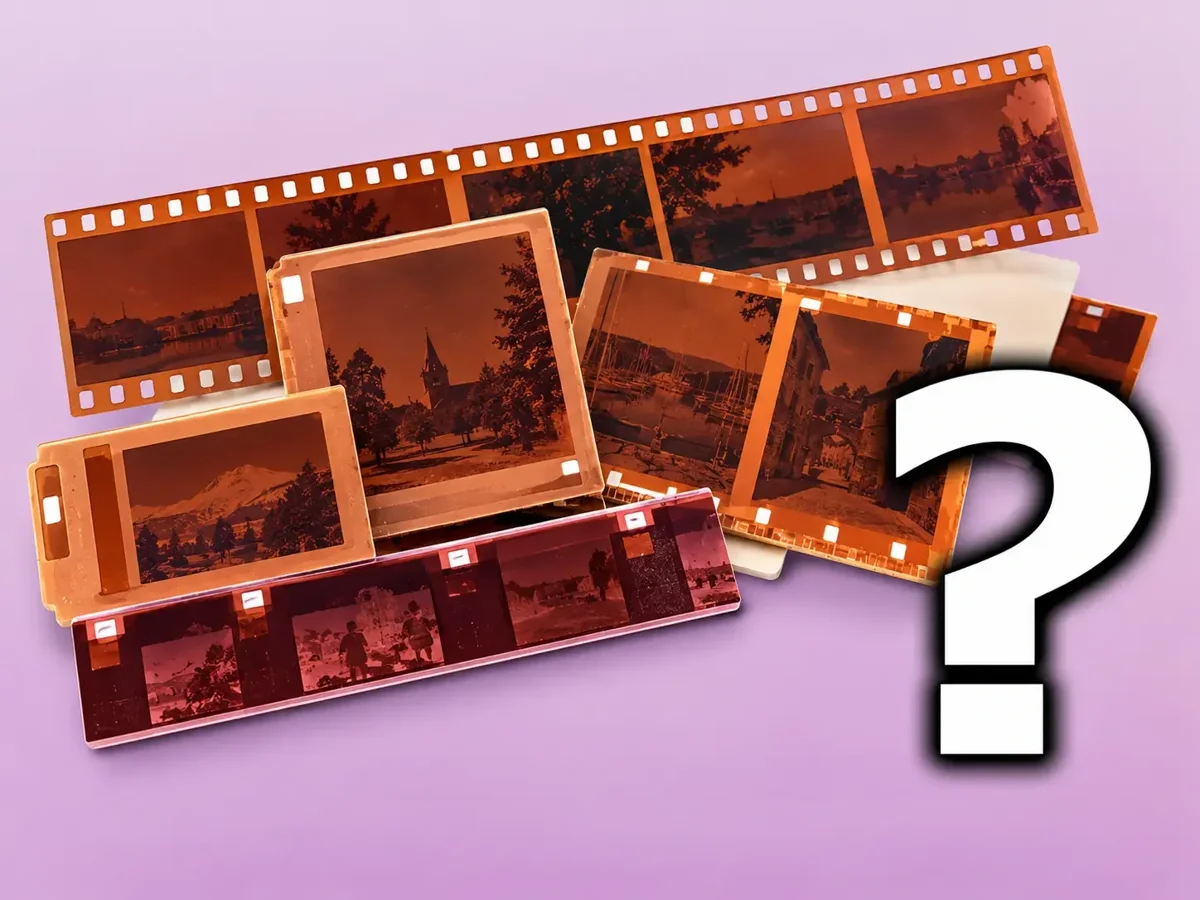
Negative Film Identification Guide
Use the guide below to help identify your photographic negatives. Compare the size, shape and film characteristics with our examples. If you're still unsure, simply contact us and we'll be happy to help.
Ultra HD Negative Scanning
We professionally scan small negative formats at up to 5000dpi, with individual checking, Photoshop retouching, corrections and enhancements included as standard.
All Small Negative Formats Accepted
We accept colour and black & white negatives in single frames, strips or rolls. See our price list for current scanning prices and larger negative formats.
Identify Your Negative Format
Compare the film dimensions, perforations and frame shapes shown below.
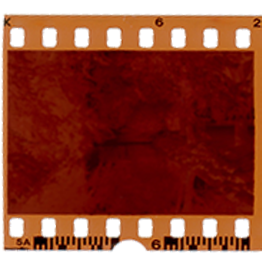
35mm Negative Film
The most common photographic negative format, widely used in traditional 35mm cameras. Each standard frame measures approximately 36 × 24mm, with sprocket holes along both edges. Negatives are commonly found in strips of four or six frames, although complete rolls and individual frames are also accepted.
Frame size: 36 × 24mm
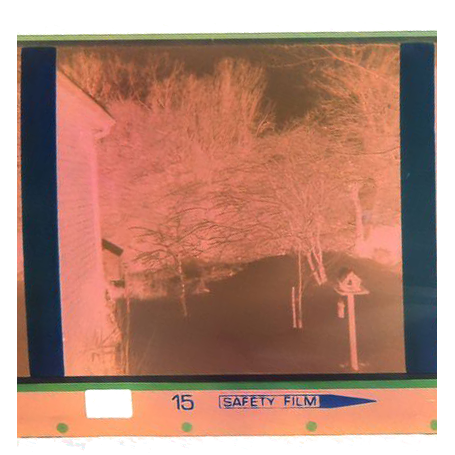
126 Format Negative
Introduced by Kodak in 1963 for Instamatic cameras, 126 film produces square photographs. It uses film approximately 35mm wide, but normally has a single perforation associated with each frame rather than the continuous sprocket holes found on standard 35mm film.
Frame size: Approx. 26 × 26mm
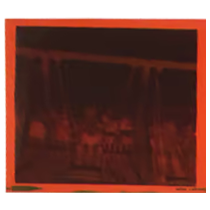
127 Format Negative
First introduced in 1912, 127 roll film was popular in older compact and box cameras. The film is approximately 46mm wide and produces larger negatives than 35mm. Common frame sizes include square 4 × 4cm images, although other frame sizes exist.
Common frame size: Approx. 40 × 40mm
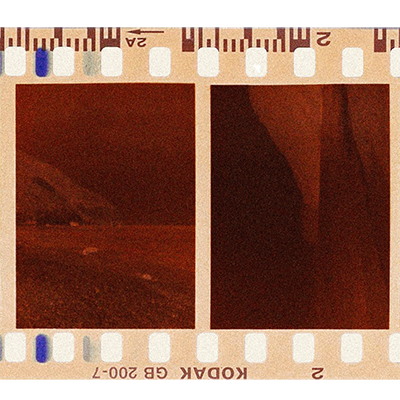
Half Frame Negative
Half-frame cameras use standard 35mm film but capture two smaller images in the space normally occupied by one full-size photograph. The frames are usually portrait-oriented and measure approximately 18 × 24mm. These negatives often contain twice as many photographs per roll.
Frame size: 18 × 24mm
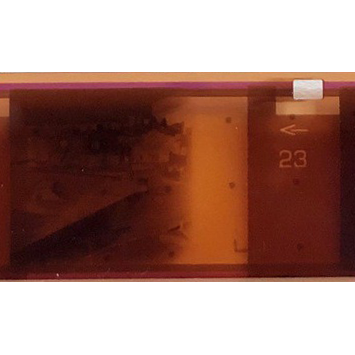
110 Format Negative
Introduced by Kodak in 1972, 110 film was designed for small pocket cameras. The negatives are much smaller than standard 35mm film and were originally supplied in easy-loading cartridges. Each frame measures approximately 17 × 13mm.
Frame size: 17 × 13mm
Singles, Strips or Rolls
Your negatives don't need to be cut, sorted or prepared in any particular way. We accept individual frames, short strips and complete rolls of small-format film. Colour and black & white negatives are both welcome, including older or less common formats.
Presentation: Singles, strips or rolls
Still Not Sure Which Negatives You Have?
Don't worry — if you're having trouble identifying your negatives, get in touch and we'll be happy to help. We can also advise on larger or unusual negative formats.